
As the consumer market sees a rise in the use of lithium batteries across various devices like e-bikes, scooters, toys, and EV cars, incidents of fires have also increased. These fires, often occurring during charging, pose risks for insurers in both Home and Motor sectors. Disposing of lithium batteries also presents a fire hazard, as evidenced by incidents in recycling plants in France.

Recent research by business insurer QBE reveals a concerning trend in the UK, with fire brigades responding to at least three lithium-ion battery fires daily, marking a 93% surge from 2022 to 2024. The data collected from UK fire services suggests a significant increase in fires related to lithium-ion batteries, particularly in electric bikes, cars, scooters, and mobility scooters.

In 2024, e-bikes accounted for nearly a third of all recorded lithium-ion battery fires, with London reporting the highest number of incidents in the UK. The surge in fires linked to electric vehicles poses a substantial risk due to the intense and rapid spread of fires caused by lithium-ion batteries.
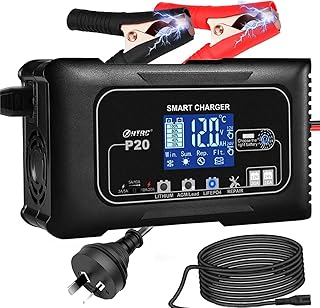
QBE emphasizes the need for enhanced safety measures concerning lithium-ion batteries as these fires burn differently, requiring more water to extinguish and posing greater risks to people and property. Despite the growing popularity of personal e-transport and electric vehicles, there is a clear necessity for public education on safe battery use and fire prevention.

Adrian Simmonds, a property risk solutions expert at QBE, stresses the urgency of understanding the risks associated with lithium-ion battery fires and the importance of stricter regulations to address these safety concerns. The Department for Business and Trade has launched campaigns to promote safe purchasing practices and strengthen safety standards for products in the UK.

The underlying cause of lithium-ion battery fires, known as “thermal runaway,” results from factors like impact damage, over-charging, or over-heating. These fires, especially in electric vehicles, can be highly destructive and pose severe risks to individuals. Therefore, educating consumers on safe practices and promoting awareness regarding lithium-ion battery safety are crucial.

With the increasing adoption of e-transport and electric vehicles, QBE advocates for a more stringent regulatory framework to address the risks associated with lithium-ion batteries. By purchasing from reputable sources and adhering to safe charging and disposal practices, consumers can contribute to maintaining safety standards in the use of lithium-ion batteries.
As the industry grapples with the challenges posed by lithium-ion battery fires, there is a growing recognition of the need for a comprehensive approach to ensure the safety of individuals and properties. By staying informed, following safety guidelines, and supporting regulatory initiatives, stakeholders can work towards mitigating the risks associated with lithium-ion batteries in various consumer devices.
📰 Related Articles
- Rising Concerns Over E-Bike Battery Safety Measures Unveiled
- Toy Car Lithium Battery Fire Prompts Safety Alert in Teralba
- Rising Electric Bike Misuse Prompts Safety Concerns in Brisbane
- Lithium Battery Fire in Toy Car Sparks Safety Alert
- Young Runner’s Tragic Death at Cork City Marathon Sparks Safety Concerns